


10 Nov A Night of Courage, Conversation, and Community—Emceeing ‘The Vagina Monologues’ at Kingsborough
by Roslyn Smith, V-Day Beyond Incarceration Project Manager
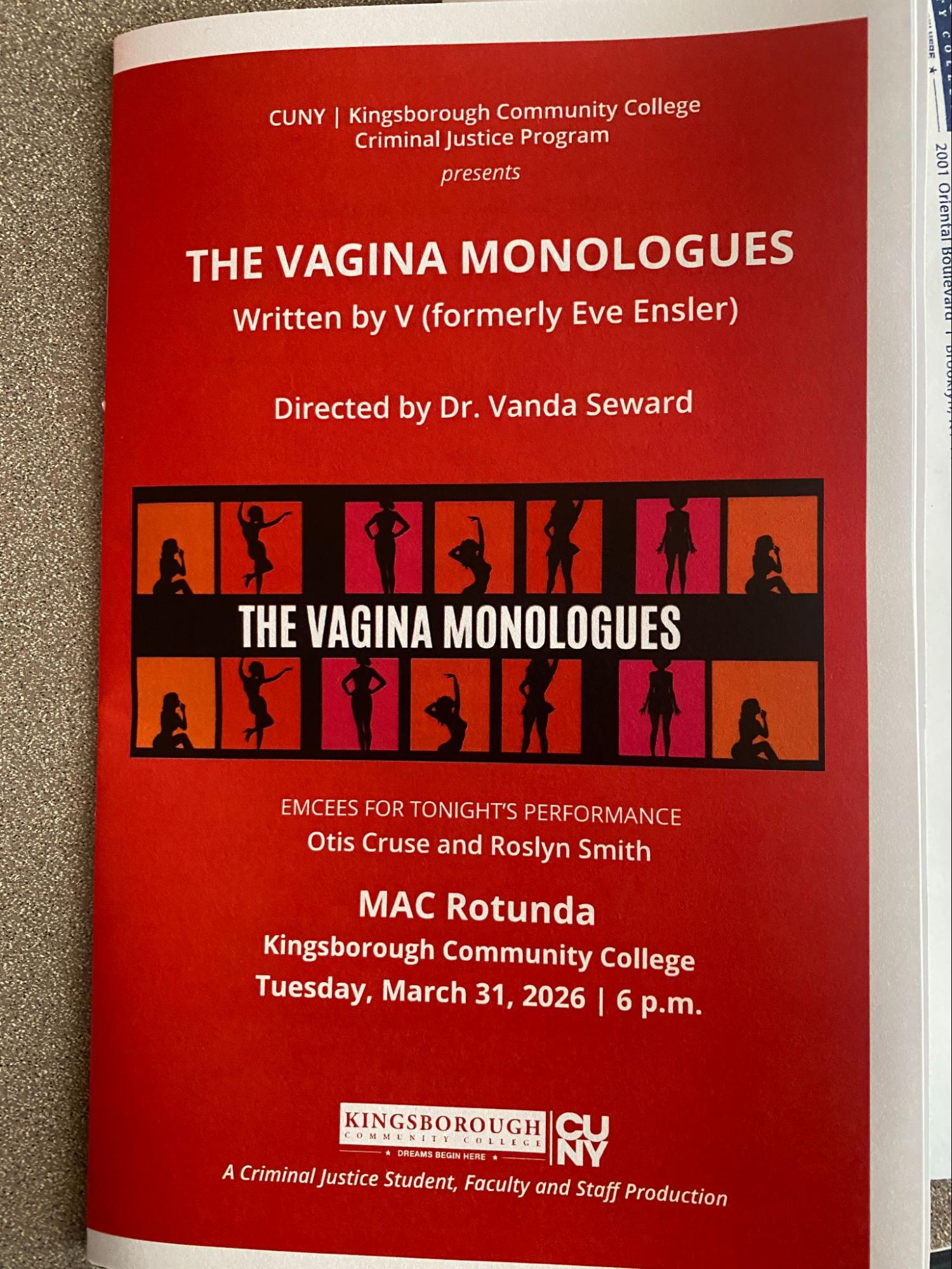 I had the honor of emceeing a powerful and deeply moving performance of The Vagina Monologues at CUNY Kingsborough Community College alongside my co-emcee, Otis Cruse. Presented by the Criminal Justice Department, this student-and-faculty production brought together voices from across campus to explore gender, violence, healing, and empowerment—and the night exceeded all expectations.
Setting the Tone
The event took place in the Mac Rotunda on March 31. The doors opened at 5:00 PM, and the show began at 6:00 PM. The space was filled with students, faculty, and community guests—a warm, attentive crowd ready to listen, reflect, and support. Seeing so many people come out for an evening centered on listening and empathy was itself a reminder of the kind of community we’re building at Kingsborough.
A Thoughtful, Compassionate Performance
The performers—a mix of students and faculty—delivered the pieces with raw honesty and grace. The script by V (formerly Eve Ensler) navigates difficult territory: stories of violence, survival, and the complicated paths to healing. What made this production stand out was how thoughtfully it was staged and how respectfully each story was handled. Laughter and tears arrived in equal measure. Moments of levity gave way to moments of solemnity, and every turn reinforced the play’s core message: giving voice to experiences too often silenced.
Honoring Women in Criminal Justice
Because the show was presented by Kingsborough’s Criminal Justice Department, it carried an additional layer of meaning. The intersection of gender and the criminal justice system is a critical conversation that impacts policy, rehabilitation, and everyday human dignity. During the event, we took time to honor women—students, faculty, and community members—whose work and lived experience contribute to safer, more equitable environments both inside and outside the classroom. Their stories and accomplishments reminded everyone present that justice work is as much about compassion as it is about law.
A Warm Reception: Dinner and Fellowship
Before the performance, guests were welcomed with a light dinner and refreshments. It was more than just food—it was an opportunity for people to connect, meet the performers, and share reflections in a relaxed setting. Those small conversations helped create a safe atmosphere for the heavier material to follow. After the show, attendees lingered, continuing discussions about the themes raised and offering support to one another. That sense of fellowship was a highlight of the evening.
Emceeing with Otis
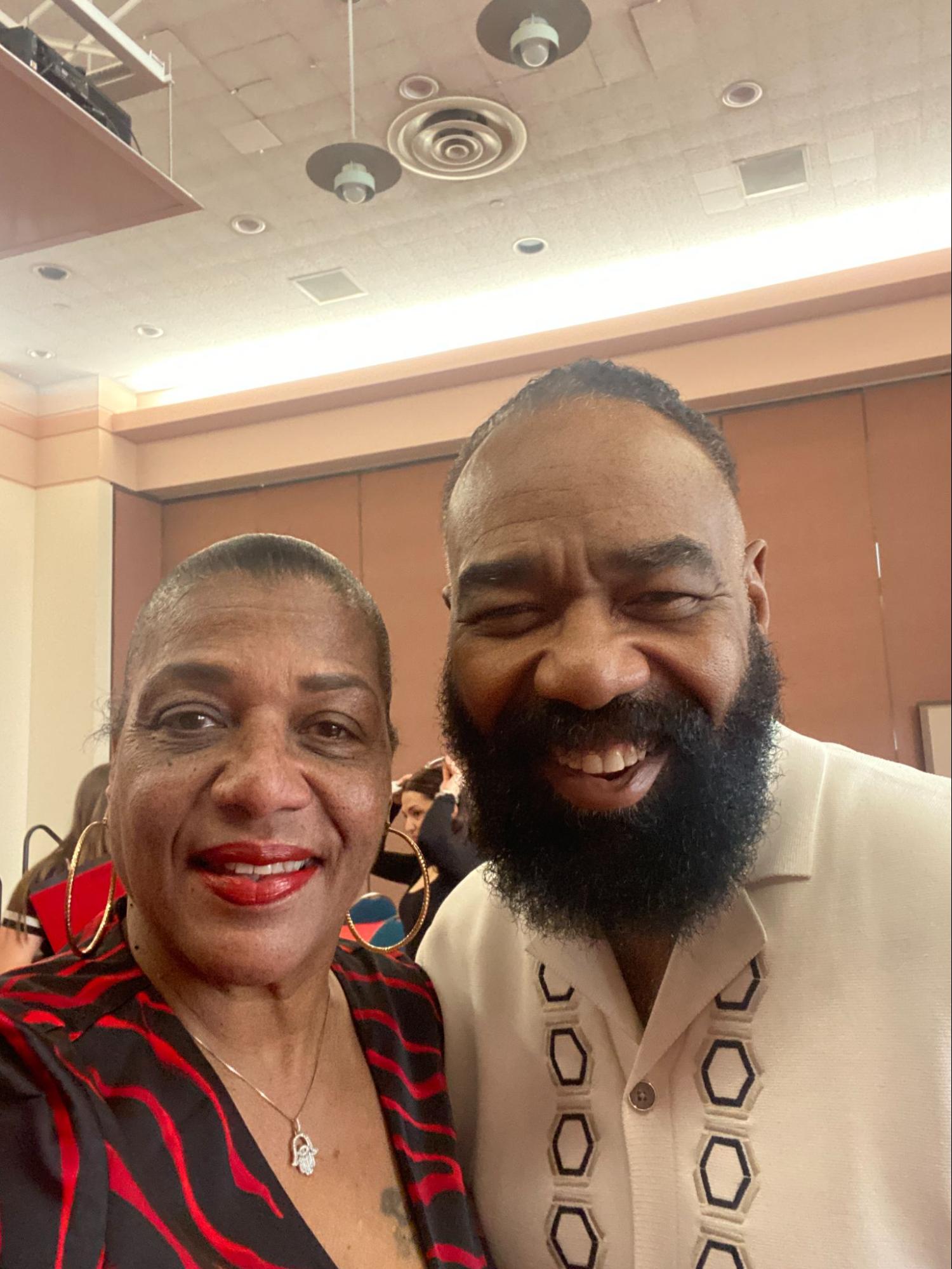
Sharing the stage with Otis was a joy. We aimed to create a tone of respect and openness—introducing pieces with context and ensuring transitions honored the performers’ vulnerability. Otis’s warmth and good humor helped keep the evening grounded in humanity, especially when the material was intense. Together, we tried to hold space for both the pain and the hope threaded through each monologue.
Why Nights Like This Matter
Events like The Vagina Monologues are more than theater. They’re a public act of bearing witness. They invite us to look at systems, histories, and personal experiences that shape who we are and how we treat one another. For students—especially those studying criminal justice—the play is a prompt to consider how policies and practices can reflect dignity and restore power to those who’ve been harmed.
Thank you.
My deepest thanks to the Criminal Justice Department, the students and faculty performers, the event organizers, and everyone who attended and made the night possible. To those who shared stories onstage, thank you for your bravery. To Otis, thank you for your partnership and for helping create an evening that was compassionate, powerful, and memorable.
If you missed this performance, keep an eye on Kingsborough’s events—programs like this surface important conversations and give space to voices that deserve to be heard.
READ more in Dispatches From Beyond Incarceration